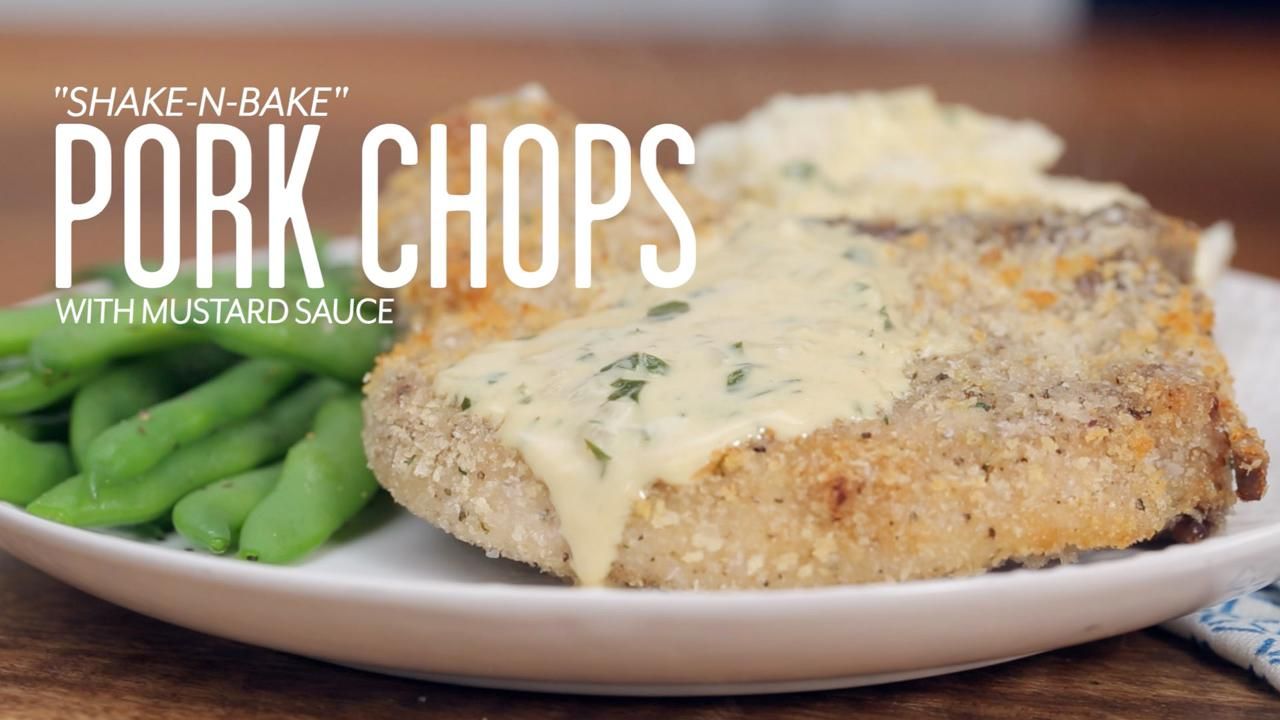
Unlocking the Secrets to Juicy, Never Dry Shake and Bake Pork Chops
For many home cooks, the classic box of Shake 'n Bake holds a special place, promising perfectly seasoned, crispy pork chops with minimal fuss. Yet, the reality often falls short of the dream. Instead of tender, succulent meat encased in a golden, crunchy crust, we sometimes end up with disappointingly dry, tough pork. The good news? Achieving truly juicy, flavorful
perfectly crispy Shake and Bake pork chops isn't a pipe dream. It's an attainable goal that relies on a few critical steps and a deeper understanding of the cooking process. Forget everything you thought you knew about just "shaking and baking"—we're about to unveil the secrets to transforming this pantry staple into a moist, mouthwatering meal every single time.
The Core Problem: Why Shake and Bake Pork Chops Get Dry
Before we dive into solutions, let's understand the common culprits behind dry
Shake and Bake pork chops. Pinpointing these issues is the first step toward correcting them.
- Overcooking is the Enemy: This is by far the most prevalent reason. Pork, especially leaner cuts like many pork chops, cooks quickly. A minute too long in the oven can be the difference between juicy and shoe leather. The USDA recommends cooking pork to an internal temperature of 145°F (63°C), followed by a 3-minute rest. Many recipes, and even general cooking habits, tend to exceed this, fearing undercooked meat.
- Starting with the Wrong Cut: Not all pork chops are created equal. Some cuts are inherently leaner and thus more prone to drying out than others. A thin, boneless chop will dry out much faster than a thick, bone-in cut.
- Lack of Moisture Retention: The Shake 'n Bake coating itself, while providing flavor and crispiness, doesn't inherently add moisture to the meat. Without proper preparation, the heat of the oven can draw out precious juices, leaving the pork arid.
- Inconsistent Heat: An oven that fluctuates in temperature or hot spots can lead to uneven cooking, where one part of the chop is perfectly done while another is already overcooked and dry.
Choosing the Right Pork Chops for Success
Your journey to juicy
shake and bake pork chops begins at the butcher counter. The type and quality of pork chop you select significantly impact the final result.
- Thickness Matters: Opt for pork chops that are at least 1-inch to 1.5-inches thick. Thicker chops offer a larger margin for error and are less likely to dry out quickly. Thin chops (under 3/4-inch) are best reserved for quick pan-frying or grilling, not extended baking.
- Bone-in vs. Boneless: While boneless chops are convenient, bone-in chops almost always yield a juicier result. The bone acts as an insulator, conducting heat more slowly and preventing the surrounding meat from overcooking as rapidly. It also imparts more flavor. If you must use boneless, choose thicker cuts.
- Marbling is Key: Look for chops with some visible marbling – those tiny flecks of fat distributed throughout the lean muscle. This intramuscular fat melts during cooking, basting the meat from within and contributing to moisture and flavor. Avoid chops that are entirely lean and pale. Rib chops and loin chops often offer a good balance of meat and marbling.
- Freshness: Always choose fresh pork with a natural pink color, avoiding any that appear gray or discolored.
Pre-Bake Secrets for Ultimate Juiciness
The magic doesn't just happen in the oven; much of the juiciness is locked in *before* your
shake and bake pork chops even touch the coating.
Brining: Your Best Friend for Moist Pork
Brining is a game-changer for lean meats like pork. It's essentially soaking the pork in a salt-water solution, which not only seasons the meat throughout but also helps muscle fibers retain moisture during cooking.
*
Simple Brine: Dissolve 1 tablespoon of salt (kosher or sea salt preferred) per cup of water. You can add a tablespoon of sugar for browning, along with aromatics like bay leaves, peppercorns, or garlic cloves.
*
Method: Submerge your pork chops completely in the brine. Refrigerate for at least 30 minutes, but no more than 4 hours for average-sized chops. For very thick chops, you can go up to 6-8 hours.
*
Post-Brine: Crucially, rinse the chops thoroughly under cold water to remove excess salt, then pat them *very* dry with paper towels. A dry surface is essential for the Shake 'n Bake coating to adhere properly and crisp up.
The Power of a Good Marinade (Optional, but Recommended)
While brining focuses on moisture retention, a marinade adds flavor and can further tenderize.
*
Acidic Bases: Marinades often contain an acid (vinegar, lemon juice, buttermilk, yogurt) which helps break down tough connective tissues. Be careful not to marinate for too long (over 2-4 hours for chops) with strong acids, as it can turn the meat mushy.
*
Oil and Aromatics: Olive oil helps transfer fat-soluble flavors and adds richness. Garlic, herbs (rosemary, thyme, sage), onion powder, and paprika all complement pork beautifully.
*
Combining Brine & Marinade: If you brine, you can follow with a shorter, flavor-focused marinade (without much added salt) or skip the marinade altogether if your brine was well-seasoned.
The "Wet" Step: Why it's Crucial for Adhesion and Tenderness
The Shake 'n Bake box suggests dipping in water, but we can do better. The "wet" component helps the coating stick and can also add a subtle layer of flavor and moisture.
*
Egg Wash: A beaten egg (or egg white) with a splash of milk or water creates a fantastic binder. The protein in the egg helps create a stronger bond with the breading.
*
Mayonnaise: This might sound unconventional, but a thin layer of mayonnaise works wonders. It's essentially an emulsion of oil and egg, providing fat, flavor, and incredible adhesion. The fat also helps promote a golden, crispy crust.
*
Mustard: A light coating of Dijon or yellow mustard adds a tangy flavor that complements pork and provides a perfect sticky surface for the coating. Don't worry, the mustard flavor mellows out significantly during cooking.
Whichever "wet" agent you choose, ensure the chops are evenly coated before transferring them to the Shake 'n Bake mix.
Mastering the Bake: Temperature, Time, and Technique
With your chops perfectly prepared, the baking process is where the crispy exterior meets the tender interior.
Don't Overcrowd the Pan
Arrange your coated
shake and bake pork chops in a single layer on a wire rack set inside a baking sheet. This allows air to circulate around all sides of the chops, ensuring even cooking and maximum crispiness. Overcrowding will steam the chops instead of baking them, resulting in a soggy coating.
The Perfect Temperature and Time
*
Temperature: A slightly higher oven temperature (around 400°F / 200°C) is ideal for Shake 'n Bake. It helps the coating crisp up quickly before the interior of the chop overcooks.
*
Cooking Time: This is highly dependent on the thickness of your chops.
*
1-inch thick boneless chops: 15-20 minutes
*
1-inch thick bone-in chops: 20-25 minutes
*
1.5-inch thick bone-in chops: 25-30 minutes
* Remember, these are guidelines! The only way to truly guarantee juiciness is with a meat thermometer.
The Unsung Hero: The Meat Thermometer
This is your most valuable tool for preventing dry pork. Insert a probe thermometer into the thickest part of the chop, avoiding the bone. Cook until the internal temperature reaches
140-142°F (60-61°C). Yes, that's slightly *below* the USDA recommended 145°F. Why? Because of carryover cooking.
Rest Your Chops!
Once your pork chops hit that 140-142°F mark, remove them from the oven and transfer them to a clean cutting board or plate. Tent them loosely with foil and let them rest for at least 5-10 minutes. During this crucial resting period:
* The internal temperature will continue to rise by a few degrees, reaching the safe 145°F (63°C).
* The juices, which have been driven to the center of the meat by the heat, will redistribute throughout the chop. Cutting into them too soon will cause all those precious juices to run out, leaving you with dry meat.
For those looking for alternative cooking methods, especially if you desire even crispier results with less oil, check out our guide on
Air Fryer vs Oven: Best Shake and Bake Pork Chops. The principles of internal temperature and resting still apply!
Beyond the Basics: Flavor Boosters and Serving Tips
While the standard Shake 'n Bake coating is delicious, you can easily customize it to elevate your
shake and bake pork chops even further.
Customizing Your Coating
*
Herbs & Spices: Mix in additional dried herbs like thyme, rosemary, or sage for an aromatic boost. Garlic powder, onion powder, or a pinch of cayenne pepper can add depth and a subtle kick.
*
Parmesan Cheese: A tablespoon or two of finely grated Parmesan cheese mixed into the coating adds a savory, cheesy note and contributes to a beautiful golden crust.
*
Breadcrumb Blend: For an extra crispy texture, consider mixing your Shake 'n Bake with a small amount of Panko breadcrumbs (about a 2:1 Shake 'n Bake to Panko ratio). This adds an extra layer of crunch.
Pairing for Perfection
Juicy pork chops deserve complementary sides. Creamy mashed potatoes, roasted asparagus, a vibrant green salad, or applesauce are classic pairings that enhance the meal without overpowering the star.
By integrating these practical tips, you'll move beyond simply following the box instructions to becoming a true master of moist and flavorful Shake and Bake pork chops. Enjoy the perfectly crispy exterior and the tender, juicy interior you've always craved!
Conclusion
Transforming dry, disappointing pork into juicy, perfectly cooked
shake and bake pork chops is entirely within your grasp. By understanding the common pitfalls and implementing a few key techniques – from choosing the right cut and utilizing brines or marinades, to ensuring proper coating adhesion and precise cooking with a meat thermometer – you can consistently achieve stellar results. Remember to embrace the power of resting your meat, and don't be afraid to experiment with flavor additions to personalize your meal. With these secrets in hand, you're ready to create a truly delicious and satisfying meal that will have everyone asking for your recipe.